
Mastering the Deal: The Crucial Role of Net Working Capital
Matt Bodnar
October 31, 2024
Unveiling the Power of Net Working Capital in Business Acquisitions
In the high-stakes game of business acquisitions, net working capital is an essential component of doing deals.
This often-overlooked financial metric can make or break your deal, ensuring you get not just a piece of a company, but the whole machine that generates earnings. In this edition of Deal Mastery Insider, we dive deep into the mechanics of net working capital, how to calculate it, and why it’s a non-negotiable element in any savvy entrepreneur’s acquisition strategy.

Understanding Net Working Capital
Why Net Working Capital Matters
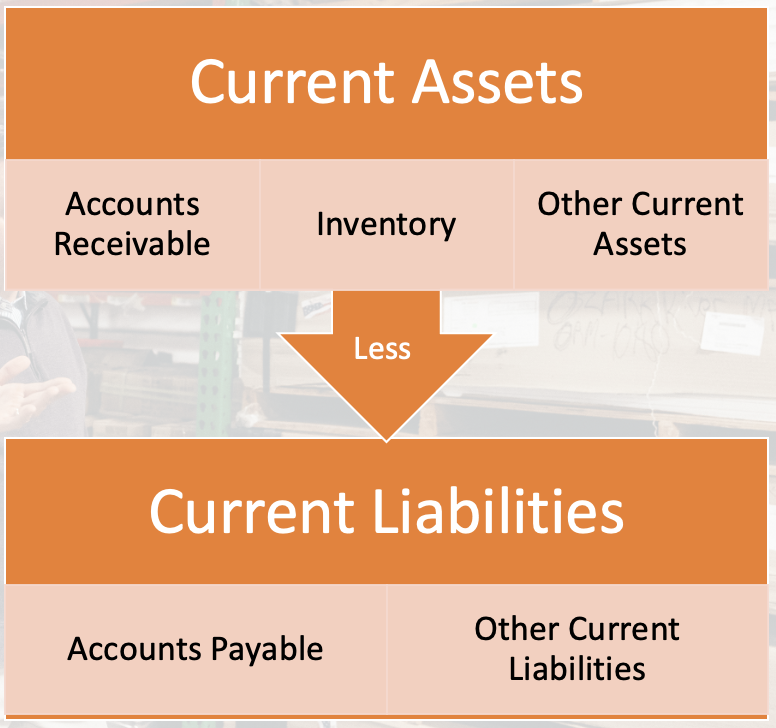
Think of net working capital as the lifeblood that keeps a business operational after an acquisition. It encompasses the current assets minus current liabilities, which include accounts receivable, inventory, and accounts payable. Without these components, you’re essentially buying a bike without any tires—it might look good, but it won’t take you anywhere.
Here’s why it’s crucial: If a seller strips away these assets before handing over the reins, you’re left with a husk that can’t generate income. It’s like acquiring a factory missing its key machinery. Thus, ensuring that net working capital is included in the purchase price is not just a smart move—it’s essential.
The Three Pillars of Net Working Capital
-
Accounts Receivable: Imagine buying a business and discovering that the previous owner has collected all outstanding invoices, leaving you with no income for months. By defining a net working capital peg, you prevent sellers from draining the business’s cash flow before the sale is closed.
-
Inventory: Picture acquiring a thriving retail business, only to find empty shelves because the seller sold all the inventory at a discount before you took over. Without these goods, fulfilling orders becomes an uphill battle, forcing you to inject additional capital immediately.
-
Accounts Payable: A devious seller might hold off paying bills, leaving you with a backlog of debts. If you don’t protect against this, you could find yourself in financial quicksand, dealing with unpaid vendor invoices from day one.
Calculating Net Working Capital
The calculation can usually be boiled down to a simple formula: Accounts Receivable + Inventory – Accounts Payable. This equation captures the essence of what keeps a business running smoothly. To ensure accuracy, assess these elements over the past few years to capture seasonal fluctuations and growth trends, helping you set a fair and balanced working capital peg.
Real-World Example: Navigating the Numbers
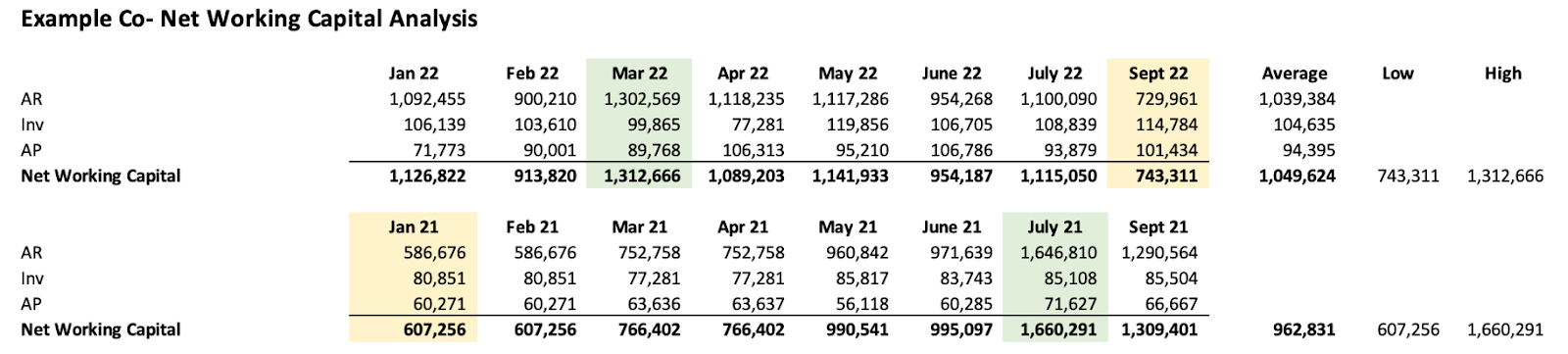
Let’s explore a real-world scenario. Consider a business with an average working capital of $1.1 million, swinging from a low of $745,000 to a high of $1.3 million over the past year. Without a precise peg, these fluctuations can dramatically impact your purchase costs and operational budget. By analyzing historical data, you can negotiate a middle ground, protecting both parties from unexpected financial strains.
Negotiation Tips for Entrepreneurs
As an acquisition entrepreneur, your goal is to secure the highest possible working capital number, while sellers may aim for the opposite. Here’s how to negotiate effectively:
Do Your Homework: Review financial statements for seasonal peaks and troughs.
Stay Flexible: Be open to setting terms that consider both current and future business needs.
Focus on Fairness: Aim for a balanced working capital peg that reflects the business’s true operational requirements.
Conclusion: Securing Your Investment
In summary, understanding and negotiating net working capital is essential in making smart acquisition decisions. Getting the NWC number right can not only protect you from potential pitfalls but also position your acquisition for success. Remember, without the right components in place, acquiring a business is like buying a car without an engine—it might look promising, but it won’t take you far.
Stay sharp, stay informed, and may your next deal deliver the full potential you’re aiming for!
Best,
Matt
P.S. Get more deals!
Struggling with your deal flow? The Acquisition Accelerator is here to help! Get more deals, drive growth, and achieve success with strategies that are proven to work along with a team of expert deal-makers.
Say goodbye to deal flow challenges and embrace a future full of opportunities for your business.
Or book a call with us to discuss how this program can specifically benefit you
See ya inside.
🎥 More Content To Help You Buy A Business
Evaluating the Merits of an IT Services Business
The Key to an Eight Figure Exit
The Key to Unlocking More Opportunities